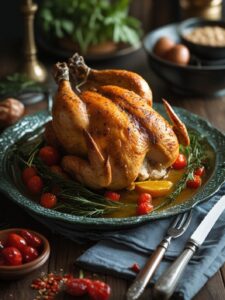
Introduction
There’s something undeniably comforting about the aroma of a Roast Chicken Recipe wafting through your home. This classic dish strikes the perfect balance between everyday simplicity and special-occasion worthiness. Whether you’re a novice cook or a seasoned chef, mastering an easy roast chicken is a culinary milestone worth achieving. While roasting a whole bird might seem intimidating at first, this comprehensive guide will break down each step of the process, ensuring that you achieve that coveted combination of juicy, tender meat and irresistibly crispy, golden skin every single time. What sets this method apart is its focus on technique rather than complicated ingredients – we’ll explore the science behind the perfect roast, from proper air circulation to the importance of resting time, giving you not just instructions but understanding. By the end of this guide, you’ll have mastered a versatile cooking skill that will serve as the foundation for countless delicious meals, impressive dinner parties, and comforting family gatherings for years to come.
Ingredients
For the Perfect Roast Chicken:
– 1 whole chicken (4-5 pounds), preferably free-range or organic
– 2 tablespoons unsalted butter, softened at room temperature
– 2 tablespoons extra virgin olive oil
– 4 cloves garlic, minced
– 1 lemon, halved
– 1 bunch fresh herbs (a combination of rosemary, thyme, and sage works beautifully)
– 1 medium yellow onion, quartered
– 2 medium carrots, roughly chopped
– 2 celery stalks, roughly chopped
– 1½ tablespoons kosher salt
– 1 tablespoon freshly ground black pepper
– 1 teaspoon paprika (optional, for additional color)
The quality of your chicken makes a significant difference in the final result. If possible, select an air-chilled, free-range bird, as it typically yields more flavor and better texture. The chicken should be thoroughly patted dry before seasoning – this is absolutely crucial for achieving crispy skin. If time permits, letting your chicken sit uncovered in the refrigerator for 4-24 hours before roasting will dry the skin further, resulting in maximum crispiness. For the aromatics, feel free to substitute based on what you have available – leeks can replace onions, and any woody herbs will work well. The vegetables not only flavor the chicken but also create a natural roasting rack and provide the base for an optional gravy.
Step-by-Step Instructions
Preparation (30 minutes before cooking)
1. Remove the chicken from refrigeration: Take your chicken out of the refrigerator 30 minutes before cooking. This allows it to come closer to room temperature, promoting even cooking throughout.
2. Preheat your oven properly: Set your oven to 425°F (220°C). Position a rack in the lower third of the oven to ensure optimal heat circulation around the bird.
3. Prepare your roasting pan: Arrange the chopped carrots, celery, and onion in the center of a roasting pan or large oven-safe skillet. These vegetables create a natural “rack” that elevates the chicken and infuses flavor.
4. Prepare the chicken: Remove any giblets from the cavity and discard or save for stock. Using paper towels, thoroughly pat the chicken dry inside and out – this step is absolutely critical for achieving crispy skin.
Seasoning and Trussing
5. Season the cavity: Generously sprinkle the interior cavity with approximately ½ tablespoon of salt and ½ tablespoon of pepper. Add half the bunch of fresh herbs and one lemon half.
6. Create herb butter: In a small bowl, combine the softened butter with minced garlic, 1 teaspoon of salt, ½ teaspoon of pepper, and 1 tablespoon of finely chopped herbs. Mix until well incorporated.
7. Season the exterior: Carefully separate the skin from the breast meat by sliding your fingers underneath, being careful not to tear the skin. Massage about two-thirds of the herb butter under the skin, distributing it evenly. Rub the remaining butter all over the exterior of the bird.
8. Final exterior seasoning: Drizzle olive oil over the entire chicken, then sprinkle with the remaining salt, pepper, and paprika (if using). Squeeze the remaining lemon half over the bird.
9. Truss the chicken: While not absolutely necessary, trussing helps the chicken cook more evenly. Using kitchen twine, tie the legs together and secure the wings close to the body. If you don’t have twine, tucking the wings under the body will work in a pinch.
Roasting Process
10. Position for optimal roasting: Place the seasoned chicken breast-side up on the bed of vegetables in your roasting pan. This is where a perfect Roast Chicken Recipe begins to take shape, and truly, making an easy roast chicken is all about proper positioning and temperature control.
11. Initial high-heat roast: Place the chicken in the preheated oven and roast at 425°F for 15 minutes. This high initial temperature helps crisp the skin right from the start.
12. Reduce temperature: Lower the oven temperature to 375°F (190°C) and continue roasting for approximately 1 hour to 1 hour and 15 minutes. The total cooking time will depend on the size of your chicken, averaging about 15 minutes per pound.
13. Check for doneness: The chicken is done when an instant-read thermometer inserted into the thickest part of the thigh (without touching bone) reads 165°F (74°C). If you don’t have a thermometer, check that the juices run clear when you cut between the leg and thigh.
14. Rest before carving: This is possibly the most overlooked yet critical step. Transfer the chicken to a cutting board and tent loosely with aluminum foil. Allow it to rest for at least 15-20 minutes before carving. This resting period allows the juices to redistribute throughout the meat, ensuring maximum juiciness.
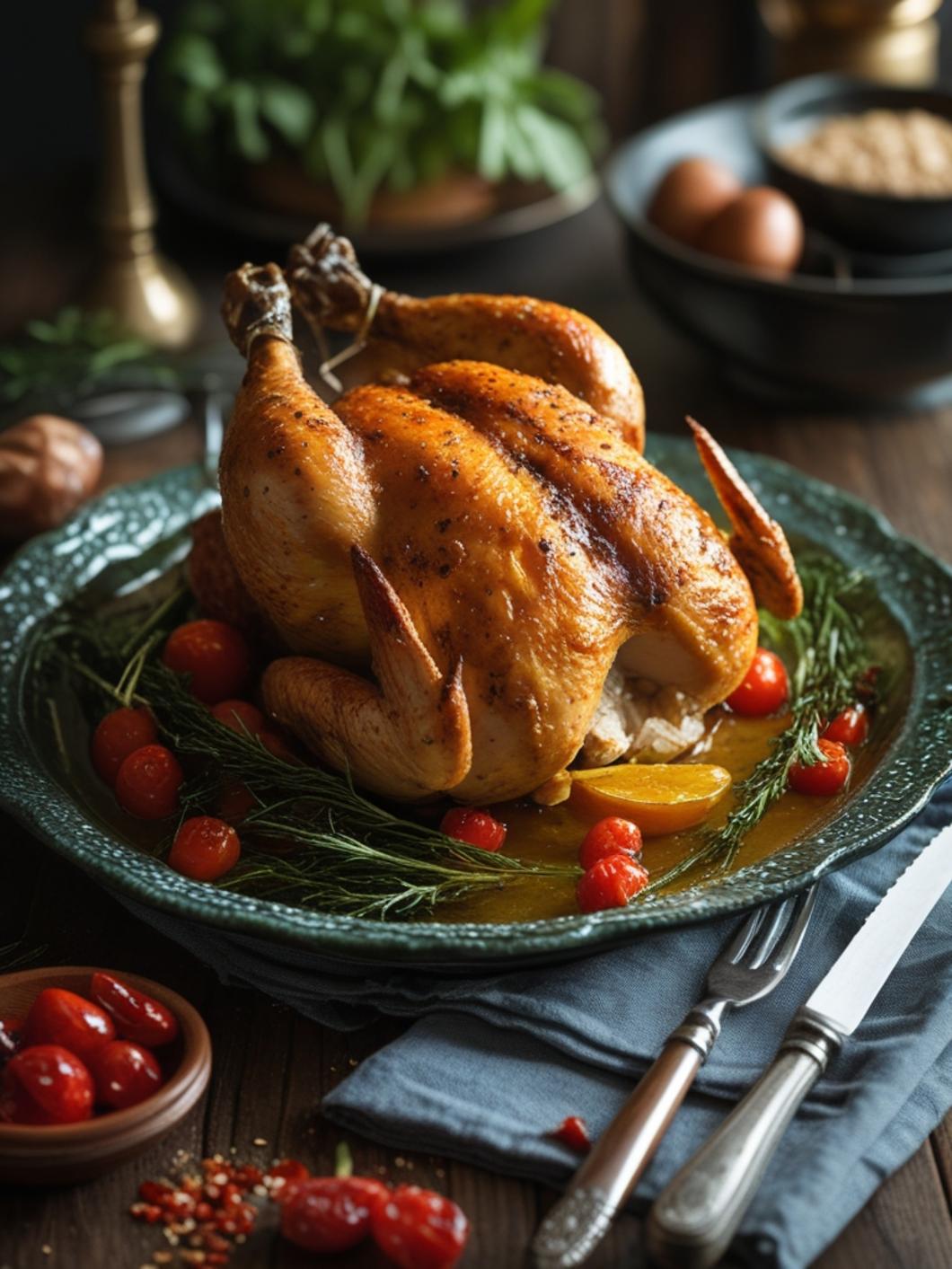
15. Carve and serve: After resting, carve your beautifully roasted chicken and serve with the roasted vegetables and any pan juices or gravy you’ve prepared.
Tips for Success
Perfecting Your Technique
– The patting dry technique: This cannot be emphasized enough – moisture is the enemy of crispy skin. Take an extra minute to thoroughly dry your chicken with paper towels before seasoning.
– Salting in advance: For even better results, salt your chicken 24 hours in advance (dry brining), and leave it uncovered in the refrigerator. This draws moisture to the surface where it evaporates, resulting in exceptionally crispy skin and seasoned meat.
– Spatchcocking option: If you’re short on time, consider spatchcocking (butterflying) your chicken by removing the backbone and flattening it. This technique reduces cooking time by about 30% and promotes more even cooking.
– Roasting pan selection: A heavy cast-iron skillet works wonderfully as it retains heat well and creates beautiful caramelization on the vegetables. If using a traditional roasting pan, avoid ones that are too deep as they can prevent proper air circulation.
Troubleshooting Common Issues
– Chicken not browning properly: Ensure your oven is properly preheated and consider brushing the skin with a mixture of honey and butter during the last 15 minutes of roasting.
– Dry breast meat: If you find your chicken breasts tend to dry out, try roasting the bird breast-side down for the first 30 minutes, then flipping it to finish breast-side up.
– Undercooked thighs with cooked breasts: Loosely cover the breast area with foil once it’s sufficiently browned to prevent overcooking while the thighs finish.
– Using leftovers efficiently: Always save the carcass for homemade stock, which will have significantly more flavor than store-bought versions.
Storage
A properly stored roast chicken can be the gift that keeps giving throughout the week. After your meal, remove any remaining meat from the bones within two hours of cooking. Store the meat in airtight containers in the refrigerator, where it will keep well for up to 4 days. For optimal quality, store the white and dark meat separately, as the latter tends to remain juicier during reheating.
When reheating, avoid the microwave if possible, as it can lead to dry, rubbery meat. Instead, place the chicken in a covered baking dish with a splash of chicken broth or water, and warm in a 325°F (165°C) oven until just heated through (about 10-15 minutes). For freezing, wrap portions tightly in freezer paper, then place in freezer bags with the air pressed out. Frozen roast chicken will maintain good quality for up to 3 months. Thaw overnight in the refrigerator before reheating. Don’t discard the carcass – it makes exceptional homemade stock that can be refrigerated for 5 days or frozen for up to 3 months.
Variations
Flavor Profiles and Dietary Adaptations
– Lemon-Herb: Enhance the classic version by increasing the lemon to two whole lemons (one in the cavity, one sliced under the skin) and doubling the herbs for a Mediterranean-inspired variation.
– Garlic-Parmesan: Create a paste with 8-10 cloves of roasted garlic, ¼ cup grated Parmesan cheese, and olive oil. Spread this mixture under the skin before roasting for a rich, Italian-influenced flavor.
– Spicy Southwest: Replace the traditional herbs with a rub of cumin, chili powder, oregano, and lime zest for a vibrant Southwestern twist.
– Asian-Inspired: Marinate the chicken for 4 hours in a mixture of soy sauce, honey, ginger, garlic, and five-spice powder before roasting.
Dietary Considerations
– Dairy-Free: Simply substitute the butter with additional olive oil or dairy-free butter alternatives. Coconut oil also works wonderfully, adding a subtle sweetness.
– Gluten-Free: This recipe is naturally gluten-free, but always check your spice blends if you’re using pre-mixed options, as some contain gluten as anti-caking agents.
– Lower Sodium: Reduce salt by half and compensate with additional herbs and lemon zest to maintain flavor complexity without the sodium content.
Frequently Asked Questions
Q: Why isn’t my chicken skin getting crispy?
A: Three common culprits: First, the chicken wasn’t thoroughly dried before roasting. Second, your oven may not be hot enough (always preheat fully). Third, you might be opening the oven door too frequently, causing temperature fluctuations.
Q: How can I tell when my chicken is done without a thermometer?
A: Pierce the thickest part of the thigh with a knife – if the juices run clear (not pink), it’s likely done. Also, the legs should move easily in their sockets, and the meat should feel firm but not hard when pressed.
Q: Is it necessary to truss the chicken?
A: While not absolutely necessary, trussing helps the chicken maintain its shape and cook more evenly. If you don’t have kitchen twine, even tucking the wings underneath and closing the cavity with the legs will improve your results.
Q: Can I stuff my roast chicken?
A: While possible, stuffing increases cooking time and risks uneven cooking. For food safety, any stuffing must reach 165°F (74°C), which often means overcooked breast meat. It’s generally better to prepare stuffing separately and add aromatics to the cavity instead.
Conclusion
Mastering a Roast Chicken Recipe is truly one of the most rewarding culinary skills you can develop. The beauty of this dish lies in its versatility – once you understand the fundamental techniques of creating an easy roast chicken, you can adapt it countless ways to suit your taste preferences, dietary needs, or whatever ingredients you have on hand. Remember that practice makes perfect, and each time you roast a chicken, you’ll develop a better intuitive sense of timing, temperature, and doneness. Don’t be discouraged if your first attempt isn’t picture-perfect – focus on the process and enjoy the journey of improvement. I encourage you to make this recipe your own by experimenting with different herb combinations, spice blends, or even cooking vessels. Once you’ve tried this method, please come back and share your results in the comments below! Did you make any modifications? What side dishes did you pair with your beautiful bird? Your experiences and adaptations might be exactly what another home cook needs to hear to perfect their own roast chicken masterpiece.